Applying for Jobs in Lagos as a Fresh Graduate: The Real Challenges You Won't See on Job Boards
Stop applying blindly. The real challenges of applying for jobs in Lagos as a fresh graduate go beyond competition. Here is what actually works.

The real challenges of applying for jobs in Lagos as a fresh graduate have little to do with your CV quality and everything to do with where you send it. Most applicants waste months on oversaturated boards while the best openings never get listed publicly. The problem isn't that you're unqualified, it's that you're competing against thousands of equally qualified people for the same handful of advertised roles, while the hidden market of direct-hire jobs sits completely out of reach.
What Are the Real Challenges of Applying for Jobs in Lagos as a Fresh Graduate?
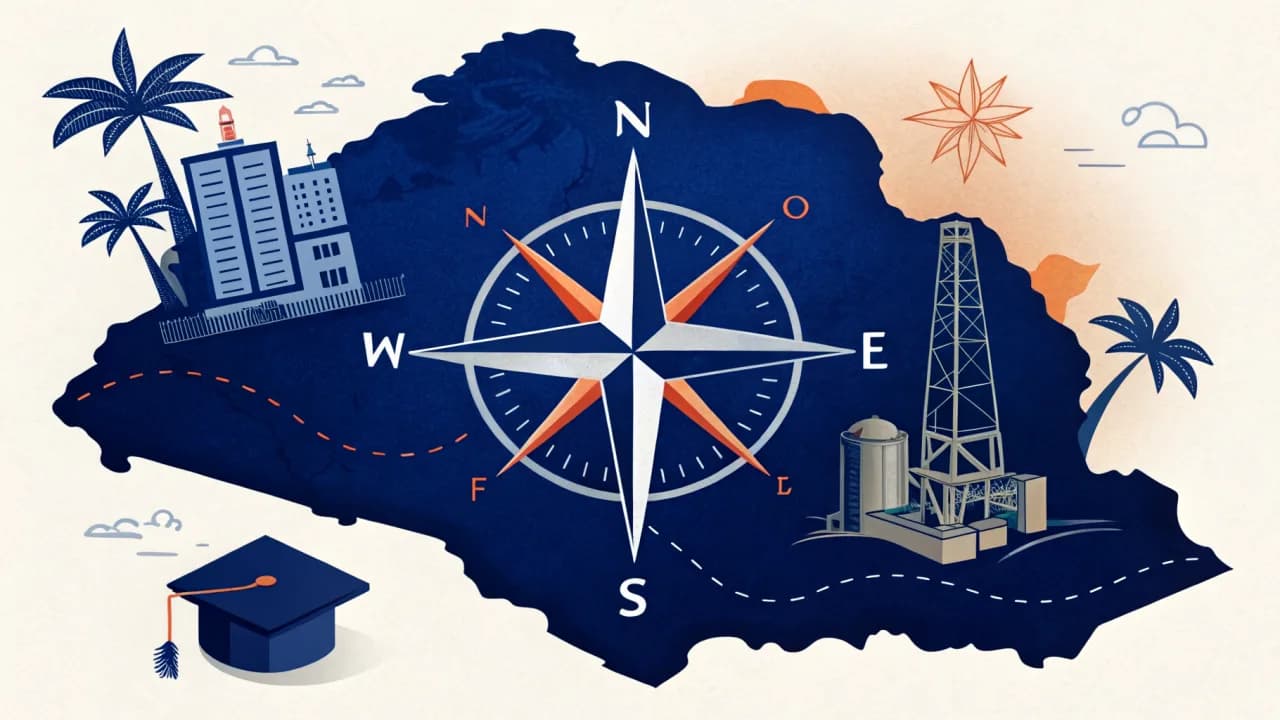
Lagos is a city of extremes. With an estimated population between 17 and 21 million residents, according to Wikipedia, it is one of the most crowded urban centres in Africa. Now add this: over 50% of Nigeria's youth aged 15-34 are unemployed, per peopleHum. That means for every entry-level role advertised online, hundreds of applicants fire off their CVs within hours.
The challenge isn't that jobs don't exist. It's that the ones you see on Indeed, Glassdoor, or Jobberman are the tip of a very small iceberg. Most hiring in Lagos happens through referrals, walk-ins, and direct relationships. Fresh graduates who treat the process as a meritocratic application exercise, submit CV, wait, repeat, are playing a game they cannot win.
Here is what applying for jobs in Lagos fresh graduate challenges boils down to:
- You compete against a massive pool of applicants for posted roles.
- The best jobs never appear on public boards.
- Transport and logistics costs eat into your search before you even get an interview.
- And if you have no internal connections, you are invisible to most recruiters.
What Applying for Jobs in Lagos Actually Looks Like
The typical graduate imagines a clean online process: find a listing, upload a CV, receive an invitation. The reality of living in Lagos job search is messier. You spend your morning on a bus stuck in traffic for two hours, pay N1,000 in transport to drop a hard copy at a company's reception, then wait three weeks to hear nothing back. Meanwhile, the person who got the interview had a cousin working inside who submitted their CV directly to the hiring manager.
That is the unspoken rule. In Lagos, who you know is often the entire game. A graduate with a second-class upper from Unilag but no network will lose out to a pass-degree candidate whose uncle works in HR. It is unfair, but it is reality.
The advice you see on career blogs, "build a strong LinkedIn profile", "network at industry events", assumes you have the time and money to do those things. When you are a fresh graduate living in a cramped area of the mainland, your daily priority is survival, not polishing your online presence. We have seen this pattern over and over on our own blog: the graduates who land jobs fastest are rarely the most qualified. They are the ones who found the right channel.
What Makes the Lagos Job Market Different
Lagos is not Abuja or Port Harcourt. The scale is incomparable. In Lagos, young people aged 15-34 make up roughly 50% of the population, according to Urbanet, that is over 10 million people. The sheer density means that even if a company posts a role at 10 AM, they may have 300 applicants by lunch.
The cost of living also forces graduates to accept any paying role quickly, often taking jobs unrelated to their degree just to stay afloat. This creates a cycle: you accept a sales job paying N80,000 a month, work 12-hour days, and never have time to search for the role you actually trained for.
Other cities have smaller applicant pools and lower living costs. An entry-level salary in Abuja can stretch further, and the competition for each opening is less intense. But Lagos concentrates opportunity and competition in equal measure. The Lagos job market for fresh graduates is a pressure cooker, and most graduates crack under it.
The Numbers Behind the Competition
Let's look at the funnel. Every year, Nigerian universities and polytechnics graduate hundreds of thousands of students. A significant portion head straight to Lagos. Meanwhile, formal job creation has not kept pace. The over-50% youth unemployment figure from peopleHum is not a static number; it reflects a structural mismatch.
Here is what that means for you as a fresh graduate. For every entry-level role you apply for on a mainstream board, there are:
- Hundreds of direct applicants.
- Dozens of internal referrals whose CVs are already on the hiring manager's desk.
- A handful of candidates who physically dropped in and made a good impression.
The ones who get the interviews are almost never the online applicants. They are the referred ones. This "hidden job market" is where we at Jobdockets focus our energy. Instead of pushing you toward the same crowded boards everyone uses, we surface direct-hire opportunities that companies post because they want to bypass the flood of generic applications.
Why Most Fresh Graduate Job Applications in Lagos Go Unanswered
The biggest mistake graduates make is using the same approach everyone else uses. They open Google, type "jobs in Lagos for fresh graduates", and apply to the first twenty listings. Then they wonder why they never hear back.
The real reason has nothing to do with your grades. It is about visibility. When a company posts on a huge board, they get overwhelmed with applications. Their screening process becomes a keyword search, not a real evaluation. If your CV does not match exactly what they scanned for, it gets trashed instantly.
Beyond that, most graduates underestimate the role of logistics. An employer in Lekki who needs someone to start immediately will rarely interview someone who lives in Ikorodu and cannot afford the daily commute. They will pick the candidate who lives nearby and can start next week. Your CV quality does not matter if you cannot show up.
We wrote an entire guide on why Nigerian graduate job applications get rejected and how to fix it. The short version: tailor your CV for each application, mention any referral connection upfront, and be realistic about the commute.
When to Rethink Your Job Search Strategy
If you have been applying online for six weeks and have not had a single interview, your strategy is not working. Do not double down. Do not apply to more jobs on the same boards. The definition of insanity applies here.
Here are clear signs you need to shift:
- You have sent over 50 applications and received zero responses.
- You only use one or two job boards.
- You keep landing interviews but no offer, the problem is likely your interview prep or the roles you are targeting.
- You have no professional network in Lagos and are not building one.
At this point, you need to change where you look and how you approach. Consider internships or graduate trainee programs, they are less competitive and often lead to full-time offers. Invest in a free course to add a skill that makes you stand out. And most importantly, stop relying on the same sources as every other fresh graduate.
We built Jobdockets specifically for this moment. Our listings focus on direct-hire jobs that companies are actively trying to fill, roles that do not attract the 300-application deluge. They are not always glamorous, but they are real opportunities.
How to Stand Out Without an Inside Connection
Focus on Direct-Hire Jobs
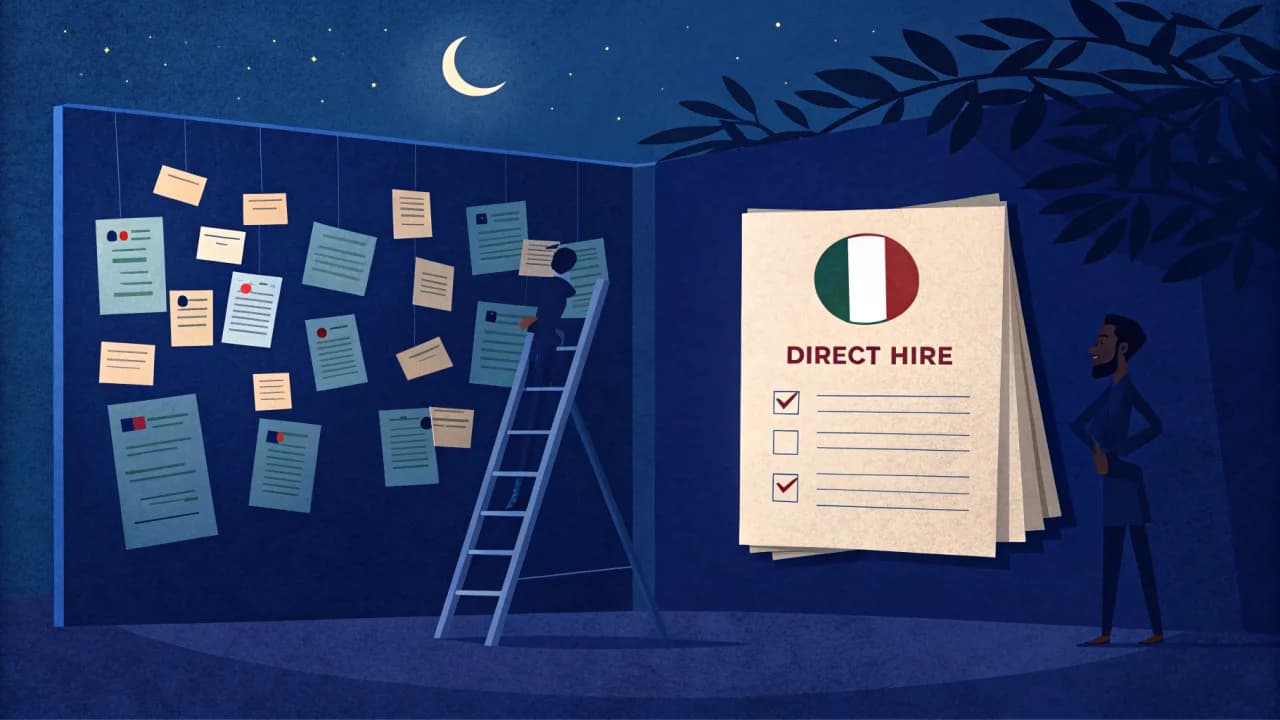
Direct-hire means the company is hiring for a position, not through an agency or a general pipeline. These roles are typically posted on smaller boards or company career pages. Because they do not get the same traffic as Indeed or Jobberman, the competition is lower. A fresh graduate who applies within 24 hours of a direct-hire posting has a genuine shot.
We collect these every day on our latest jobs page and send them straight to your inbox. You skip the crowd entirely.
Leverage Free Courses While You Search
Waiting to hear back is not a waste of time if you are building skills. Many companies will fast-track candidates who can demonstrate an extra capability, basic data analysis, social media management, or Excel proficiency. Free courses with certificates are widely available (check our free courses section on the homepage). Even one completed course shows initiative and separates you from the stack of generic applicants.
Be Strategic About Your Time and Money
Do not spend N5,000 a week commuting to drop hard copies at random companies. Instead, identify 10 companies you genuinely want to work for, research their hiring processes, and apply through their official portals. Follow up once via email. Use the saved transport money for data to apply online. Being targeted beats being busy every time.
What About the Big Job Boards?
They have their place, but only if you understand their limitations. Here is an honest comparison:
| Criteria | Traditional Job Boards (Indeed, Jobberman) | Direct-Hire Focus (Jobdockets) |
|---|---|---|
| Application volume per role | 200-500 | 10-50 |
| Competition level | Extreme, you compete against thousands across Nigeria | Low, targeted to fresh graduates in Lagos |
| Visibility of unadvertised roles | None | Curated direct-hire jobs |
| Time to response | Weeks or never | Often days |
| Cost to you | Free | Free |
The trade-off is simple: traditional boards have more listings, but most are not real opportunities for a fresh graduate without connections. Direct-hire boards like ours have fewer listings, but each one is a legitimate shot.
The Straightforward Alternative
If you are sick of sending CVs into a void, stop applying on the same boards as everyone else. The real challenge of applying for jobs in Lagos fresh graduate challenges is not your qualification, it is your strategy. Change where you look. Target direct-hire jobs. Build one new skill while you search. And if you want a curated list of real openings delivered to your inbox, we built Jobdockets exactly for that.
Your next job is out there. It just is not on the same pages everyone else is refreshing.